How we make it
A record at every station, a code on every jar.
We are a small plant, so we keep things simple: one line, four stations, and at each one a record that names the lot. Here is what happens to a jar of banana ketchup on its way to you.
01Station
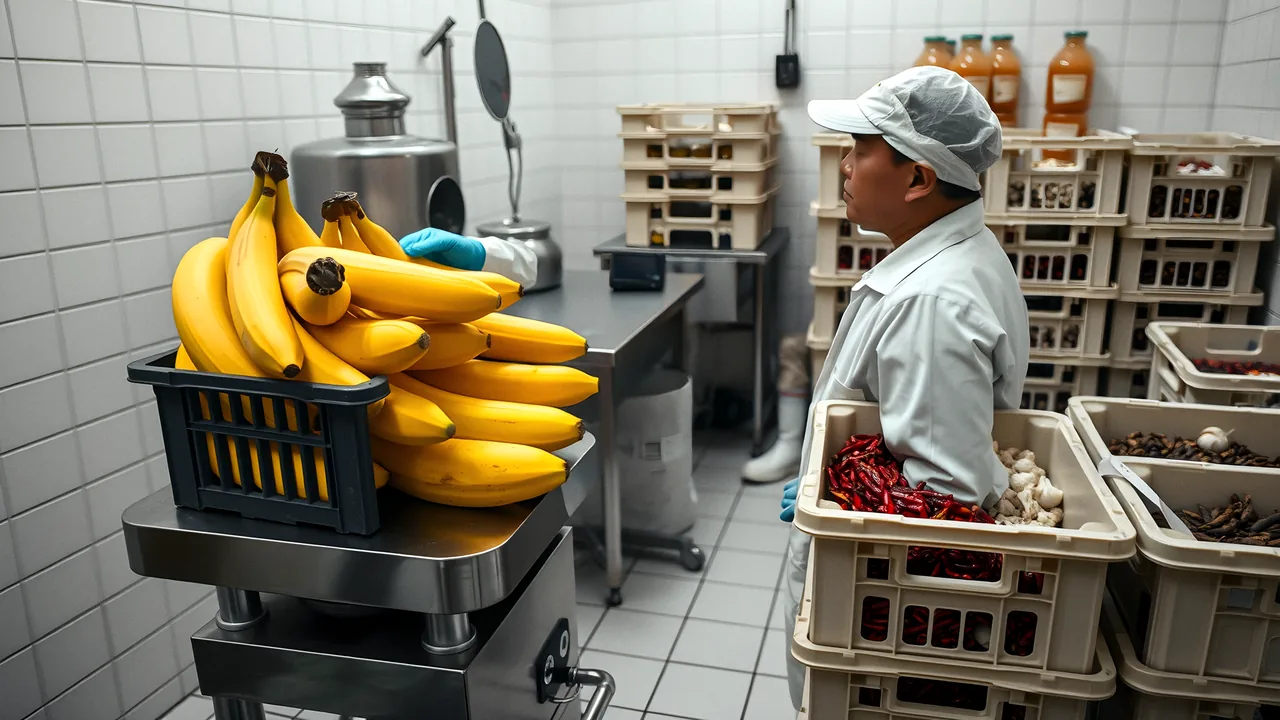
Raw
Every delivery is received by lot, with the supplier's lot number, its dates and a certificate. Fruit, garlic, chili and peanuts wait in quarantine until QA passes them.
On recordReceiving report, raw lot code, QC check
02Station
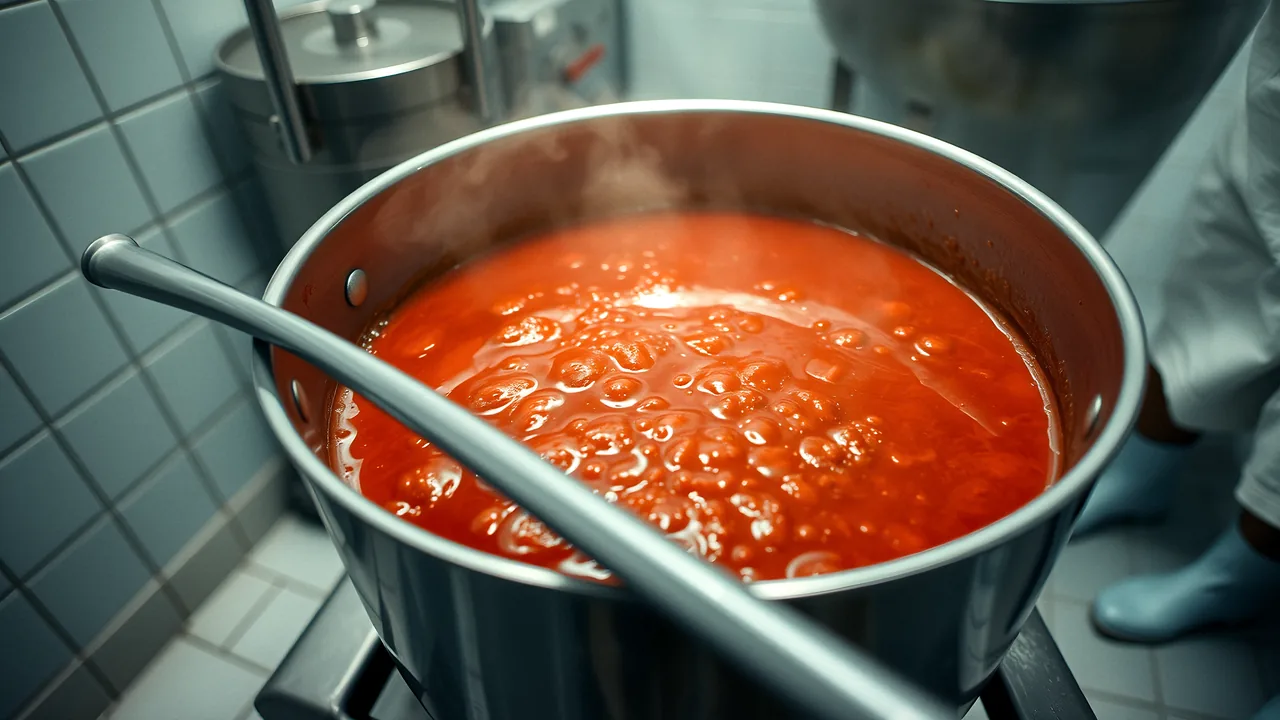
Mixed
A production order follows one approved recipe version. Store issues the earliest-expiring lot first, and the cook logs every loss against the batch.
On recordMaterial issue slip, batch record, waste log
03Station
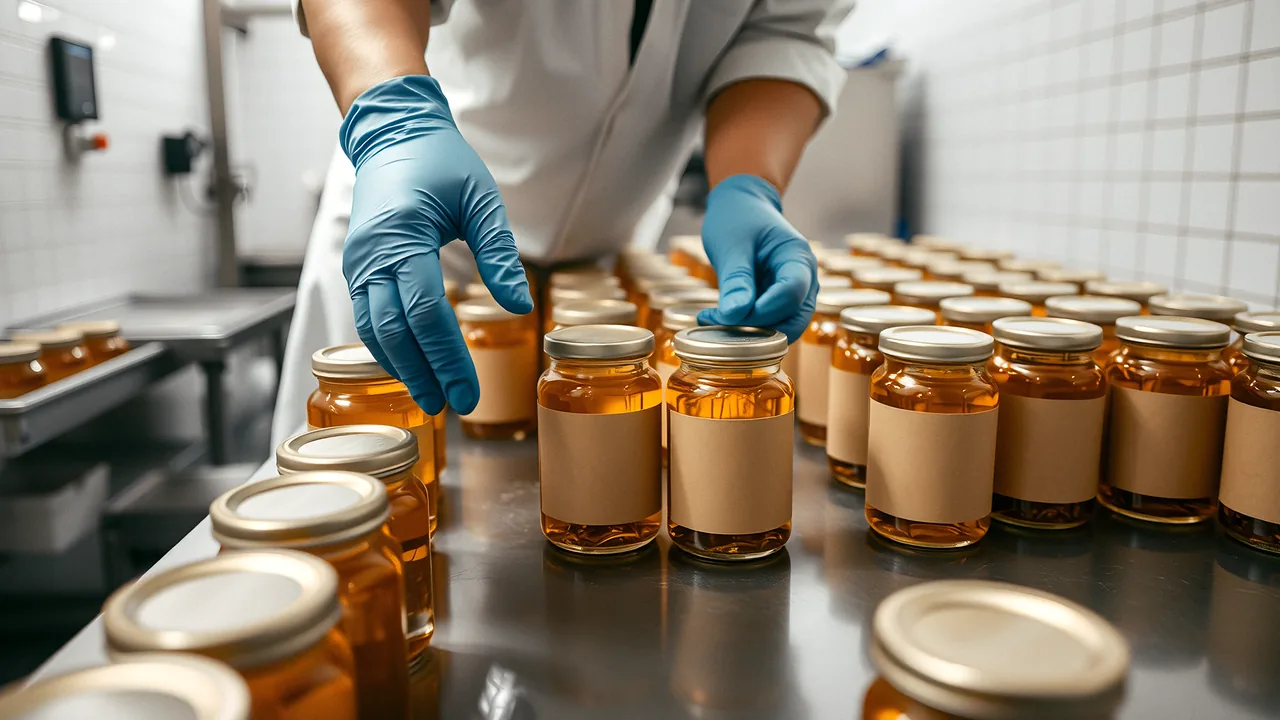
Packed
The batch is filled, sealed and coded. Good units are counted against the recipe's expected yield, and the lot is held until QA tests it and signs the release.
On recordFinished lot code, yield, QC release
04Station
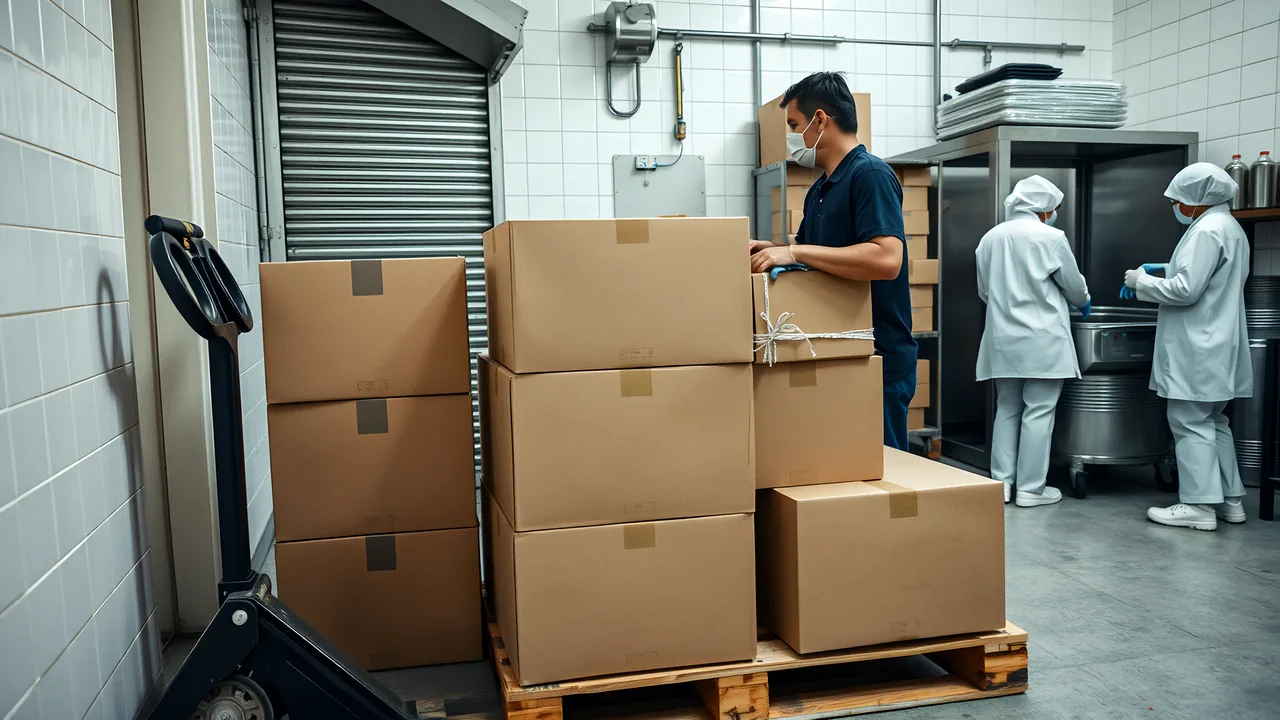
Shipped
Orders are picked by expiry and every delivery receipt names the lots on the truck, so a single lot can be traced to every store that has it.
On recordDelivery receipt with lot codes
QAThe controls
What your QA will ask us.
Our plants run to the FDA's current Good Manufacturing Practice. These are the controls we are asked about most, and how we keep them.
Nothing is used before QA passes it
Fruit, garlic, chili and peanuts arrive into quarantine. QA checks each lot against its specification — moisture, aflatoxin, appearance — and only a released lot can be issued to a batch.
First to expire, first out
Store always issues the lot that expires first. If someone picks another lot, the system asks why, and the reason is printed on the issue slip for QA's Friday review.
One recipe, one version, on paper
Every batch follows an approved recipe version. A change — two kilos less sugar, a new supplier's puree — is a new version, approved before it is cooked, never a note on the wall.
Yield and waste counted every batch
Good units are counted against the recipe's expected yield. Spills, rejects and trimmings are logged by kind, so a batch that loses more than usual is looked at the same day.
Every lot traceable in minutes
Each delivery receipt names the finished lots on the truck. From one raw lot we can list every batch it went into and every customer who received them.
Recall-ready, on the record
If a lot ever has to come back, we know exactly which stores have it and how many, and the notice goes out the same day.